A Complete Guide to Exploring Jodhpur's Blue City
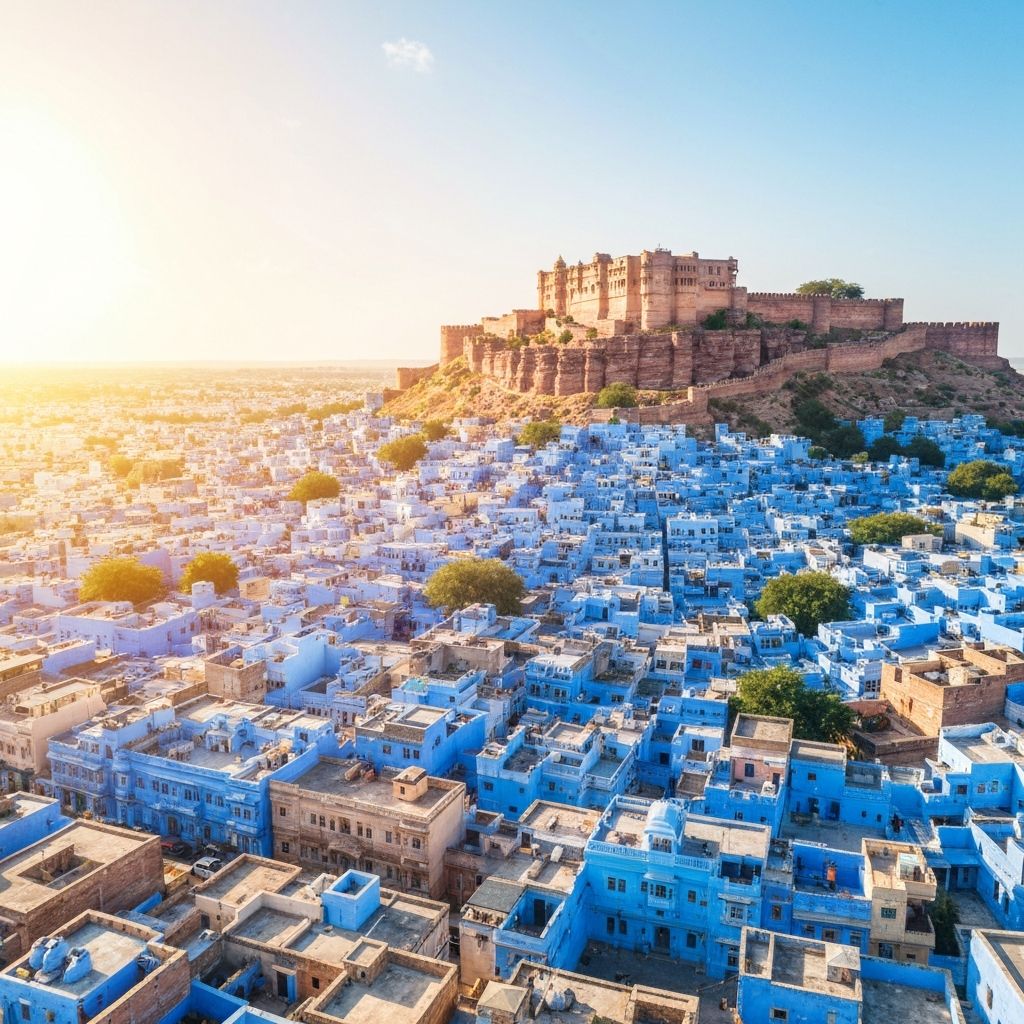
Standing on the ramparts of Mehrangarh Fort, I looked down at a sea of blue that seemed to flow like water through the winding streets below. Jodhpur, the Blue City of Rajasthan, stretched out beneath me in an endless cascade of indigo, cobalt, and cerulean that defied explanation. This is a city that must be experienced to be believed.
The Mystery of the Blue
Why is Jodhpur blue? The answer depends on whom you ask. Some say the blue wash was originally used by Brahmins to distinguish their homes from those of other castes. Others claim the color deters termites and keeps houses cooler in the scorching desert heat. A more romantic explanation suggests the blue represents the tears of Lord Shiva, making each home a temple of sorts.
Whatever the origin, the tradition has spread beyond any caste boundaries. Today, homes throughout the old city sport various shades of blue, creating a visual harmony that feels both ancient and otherworldly. The effect is most dramatic when viewed from above, but walking through the blue lanes at street level offers its own intimate magic.
Mehrangarh Fort: The Guardian Above
No visit to Jodhpur is complete without exploring Mehrangarh, one of the largest and most impressive forts in India. Rising 400 feet above the city on a sheer rocky cliff, the fort has stood sentinel over Jodhpur since its founding in 1459 by Rao Jodha, the Rathore ruler who gave the city its name.
The fort complex is massive, with walls up to 120 feet high and 70 feet wide in places. Inside, you will find a succession of beautiful palaces with intricately carved sandstone walls, latticed windows, and painted ceilings. The museum houses one of the finest collections of royal palanquins, howdahs, armor, and textiles in Rajasthan.
For the best photography, visit the fort in the late afternoon when golden light warms the sandstone walls and the blue city below takes on magical hues. The rooftop restaurant offers spectacular sunset views, though arriving early to secure a good table is advisable.
Getting Lost in the Old City
The real magic of Jodhpur lies in the labyrinthine streets of the old city beneath the fort. Here, in the tangle of narrow lanes too small for cars, life continues much as it has for centuries. Blue-washed houses rise on either side, connected by bridges and passages that create an urban maze impossible to navigate by map.
Getting lost is not just inevitable but desirable. Around each corner lies a new discovery: an ancient temple tucked into a courtyard, a group of women in brilliant saris gathered around a water tap, children playing cricket in a tiny square, a craftsman plying a trade that dates back generations. The old city rewards aimless wandering like few places on earth.
Start from the clock tower area and simply follow whatever lane looks interesting. The fort is always visible from certain vantage points, making it impossible to get truly lost. When you need a break, duck into one of the many rooftop cafes that have sprung up in recent years, offering cold drinks and spectacular views over the blue rooftops.
Beyond the Blue: Other Must-See Attractions
While the blue city and Mehrangarh deservedly steal the spotlight, Jodhpur offers several other worthwhile attractions. Jaswant Thada, a white marble memorial built in 1899, provides a serene counterpoint to the bustle of the old city. Its delicate lattice work and peaceful gardens make it an ideal spot for quiet contemplation.
Umaid Bhawan Palace, one of the largest private residences in the world, showcases art deco grandeur on a scale that seems almost impossible. Part of the palace is now a luxury hotel, but a section is open to visitors as a museum. The Mandore Gardens, ancient capital of the Marwar region, contains elaborately carved cenotaphs of Jodhpur's rulers in a peaceful garden setting.
The Flavors of Jodhpur
Jodhpur is a paradise for food lovers. The city is famous for its distinctive Rajasthani cuisine, with dishes that have been perfected over generations in the kitchens of royal households and humble homes alike. Mirchi bada, a large green chili stuffed with potato and fried in gram flour batter, is the quintessential Jodhpur street food.
Makhania lassi, a creamy yogurt drink flavored with saffron, is another local specialty that provides welcome relief from the desert heat. For a full meal, try dal baati churma, the signature dish of Rajasthan, consisting of baked wheat balls served with lentils and a sweet crumbled mixture. The old city is filled with small eateries serving these authentic dishes at remarkably low prices.
Shopping in the Blue City
Jodhpur is renowned for its handicrafts, particularly textiles, antiques, and leather goods. The area around the clock tower hosts a daily market where vendors sell everything from spices to silver jewelry. Bargaining is expected and can be an enjoyable part of the experience if approached with good humor.
The city is particularly known for its antique and reproduction furniture, with numerous shops specializing in the ornate wooden pieces that Rajasthan is famous for. Textiles range from block-printed fabrics to embroidered bedspreads, while leather goods, especially the traditional Jodhpur boots, remain popular with visitors.
Practical Information for Visitors
Jodhpur is well connected by air, rail, and road. The best time to visit is from October to March when temperatures are pleasant. Summer months should be avoided as temperatures regularly exceed 45 degrees Celsius. Two to three days is ideal for exploring the main attractions, though those who want to delve deeper into the old city could easily spend longer.
Accommodation ranges from heritage havelis converted into boutique hotels to budget guesthouses in the old city. Staying within the blue city offers the most atmospheric experience, with many properties featuring rooftop terraces overlooking the fort. Auto-rickshaws are the most convenient way to get around, though the old city is best explored on foot.
A City That Captures the Soul
Jodhpur has a way of getting under your skin. Perhaps it is the impossible blue of its buildings, or the imposing presence of the fort watching over everything, or simply the warmth of its people who have welcomed travelers for centuries. Whatever the reason, this is a city that travelers return to again and again, always finding something new to discover in its blue-washed lanes.
As I left Jodhpur, watching the blue city recede in my rearview mirror until it merged with the desert horizon, I knew I would be back. Some places you visit once. Others become a part of you. Jodhpur belongs firmly in the second category.